Behind the Glass: How Dwele's Studio Instincts Built a Soul Legacy
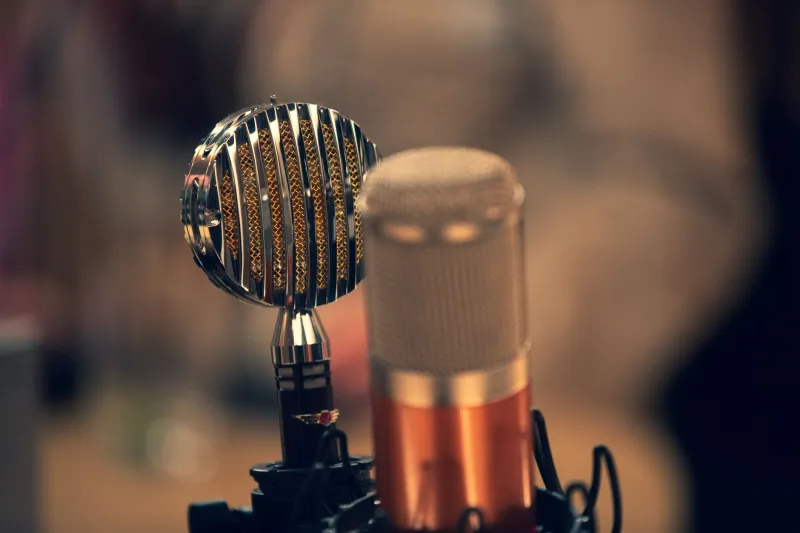
There's a certain kind of magic that happens when the right artist walks into the right room at the right time. For Dwele, that magic didn't just happen once — it happened repeatedly, across sessions that stretched from Detroit basements to professional studios, each one adding another layer to a catalog that continues to resonate deeply with soul fans across the country.
What makes Dwele's recorded output so compelling isn't just his voice, though that instrument is undeniably singular. It's the decisions — the ones made at 2 a.m. when everyone else wanted to call it a night, the ones that swapped out a predictable chord for something that felt slightly off but completely right. Those choices, accumulated over years, are what separate a good album from a classic one.
The Detroit Blueprint
You can't talk about Dwele's studio evolution without anchoring it in Detroit. The city didn't just shape his taste — it gave him a framework for how music should feel. Growing up surrounded by Motown's echo and the city's underground neo-soul scene meant that Dwele absorbed a certain standard before he ever stepped foot in a professional studio. Authenticity wasn't a marketing angle. It was the baseline.
His early recording work reflected that grounding. Rather than chasing trends, the sessions that produced his debut material leaned into atmosphere — live instrumentation, organic textures, arrangements that breathed instead of pulsed. Collaborators who worked alongside him during those formative years often noted how intentional he was, even then. Nothing got past him without scrutiny. If something didn't serve the song, it didn't make the cut.
Finding the Sound on Subject
By the time Subject arrived, Dwele had sharpened his instincts considerably. The album marked a turning point not just commercially but creatively — it was the record where his studio philosophy really clicked into place. Working with producers who understood the importance of space in music, Dwele helped craft arrangements that felt simultaneously lush and restrained.
The production on Subject was meticulous without being sterile. Tracks like "Wo'Nt You Be Mine" demonstrated an understanding of tension and release that most artists spend entire careers chasing. The vocal layering, the way the groove sits just slightly behind the beat — these weren't accidents. They were the result of long studio hours and a willingness to pull things apart and rebuild them until they felt honest.
What's often overlooked is how much Dwele contributed to the sonic architecture of his own records. He wasn't a passive presence in the booth. His input on arrangements, his ear for what a track needed emotionally — these qualities made him a genuine creative force in the studio, not just a vocalist waiting to lay down his part.
Collaboration as Craft
Some of the most interesting moments in Dwele's studio history came from his collaborations. Working with producers and artists who pushed him in new directions, he consistently found ways to expand his palette without abandoning his core identity. That balance — between growth and rootedness — is genuinely difficult to maintain, and Dwele managed it with a kind of quiet confidence.
His work alongside hip-hop producers brought a rhythmic sophistication to his soul foundation. Rather than simply adapting to a different genre's conventions, Dwele absorbed what was useful and filtered it through his own sensibility. The result was music that felt fresh to listeners who might have discovered him through a rap feature, while still satisfying the dedicated fans who'd been there from the beginning.
Collaborators consistently describe him as someone who listens — really listens — in the studio. He's not the artist who shows up with everything predetermined and refuses to deviate. He's curious, responsive to the room, and willing to follow a session wherever it wants to go, as long as the soul of the song stays intact.
The Unreleased Vault
Like most artists who've been this prolific and this particular about quality, Dwele has material that never made it to official release. Studio sessions that produced incredible moments but didn't quite fit the album they were recorded for. Tracks that were shelved not because they weren't good but because the timing wasn't right or the project took a different shape.
For dedicated fans, the existence of this vault is both thrilling and a little maddening. The glimpses that have surfaced — through live performances, snippets shared online, stories from people who were in the room — suggest a body of work that adds even more dimension to an already rich catalog. The decisions about what to release and what to hold back are themselves a form of artistry, a curation that shapes how listeners experience the music that does make it out.
What the Process Reveals
Studying how Dwele works in the studio reveals something important about why his music holds up the way it does. In an era when albums are increasingly assembled from disparate sessions and polished into a kind of smooth, commercially palatable sameness, his approach has always been more cohesive. There's a through-line in his best work — a consistent emotional logic that suggests someone was thinking about the record as a whole, not just a collection of potential singles.
That cohesion doesn't happen by accident. It comes from an artist who takes the studio seriously as a creative space, who understands that the decisions made in those sessions are the decisions that define the music for years to come.
The Legacy Still Being Written
What's exciting about looking back at Dwele's studio history is that it's not a closed book. He continues to work, continues to evolve, continues to bring that same meticulous attention to new material. The sessions happening now are building on everything that came before — the Detroit roots, the collaborative experiments, the careful curation of a catalog that means something real to a lot of people.
For fans who've been paying attention, every new release carries the weight of that history. And for those just finding their way into his music, the catalog is waiting — a detailed map of one artist's creative evolution, built one session at a time.