The Selective Genius: Why Working With Dwele Became the Industry's Most Coveted Stamp of Approval
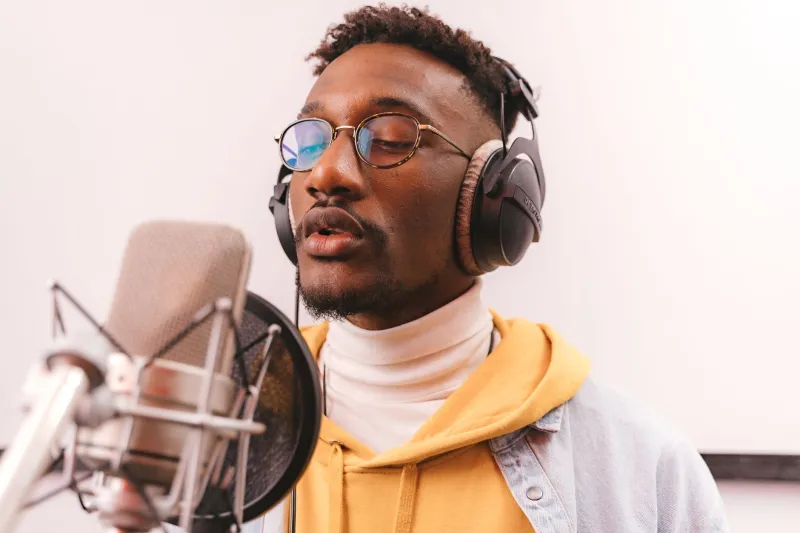
There's a certain kind of power that comes from restraint. In an industry where features get traded like baseball cards and guest verses pile up on albums nobody asked for, Dwele operates on a completely different frequency. He's not the artist who shows up on every remix or lends his voice to the highest bidder. He's the one who makes you wait — and somehow, that waiting makes everything better.
So what is it about Dwele that keeps pulling other artists back into his orbit? Why do producers who have their pick of collaborators still angle for that one phone call? The answer, it turns out, is rooted in something that the music industry rarely rewards: genuine discernment.
Quality Control as a Collaboration Strategy
When you scan the list of artists Dwele has worked alongside — Kanye West, Common, Talib Kweli, J Dilla, Slum Village — a pattern starts to emerge. These aren't random hookups or label-arranged features. These are partnerships built on mutual respect and a shared commitment to craft. Dwele has never been the kind of artist who says yes just because someone is famous or because a check is on the table.
That selectivity isn't arrogance. It's architecture. Every collaboration he takes on becomes part of a larger structure — a body of work that holds together because each piece was chosen carefully. When you hear him on someone else's track, you know it meant something to him. And that authenticity? It transfers directly to the listener.
Producers talk about this in hushed, almost reverent tones. Getting Dwele on a record isn't just about adding a voice — it's about adding a standard. His presence signals that the music has passed a certain threshold, that it deserves to exist in the same space as the soul tradition he's spent decades honoring.
The Dilla Connection and What It Taught the Industry
No conversation about Dwele's collaborative legacy is complete without talking about his relationship with the late, great J Dilla. Their work together — particularly on Subject — set a tone for what Detroit soul could sound like when two artists with complementary instincts found each other. Dilla's production and Dwele's vocals weren't just a good match; they were a revelation.
What that partnership demonstrated to the broader industry was something important: Dwele doesn't just fit into someone else's vision. He elevates it. He finds the emotional center of a track and plants himself there in a way that makes the whole thing feel inevitable. Dilla knew it. That's why their chemistry felt less like a feature arrangement and more like a conversation between equals.
That reputation — as someone who genuinely collaborates rather than just participates — is a big part of why artists keep coming back. Working with Dwele means your record gets treated with the same care he gives his own music.
Saying No as a Form of Respect
Here's the thing that people often miss: when Dwele turns down a collaboration, it's not dismissal. It's actually a form of respect — for the other artist, for the music, and for the audience. He's not going to show up on something that doesn't feel right and phone it in. That would be a disservice to everyone involved.
And artists understand this. In an industry full of people who will say yes to anything, there's something deeply refreshing about someone who means it when they say yes. When Dwele agrees to work with you, you know he's all in. You know he's going to bring something real.
That dynamic has created an interesting ripple effect. Artists who get a Dwele feature don't just get a vocal performance — they get his full attention, his creative instincts, and his willingness to push the material toward something better. That's a rare commodity, and it doesn't come cheap in terms of the creative standards he holds himself to.
What His Collaborators Actually Say
Listen to interviews with artists who've worked with Dwele and you'll notice a recurring theme: surprise at how present he is in the process. He's not the guy who rolls in, lays a verse, and bounces. He listens. He responds. He asks questions about what the song is really trying to say.
That level of engagement is what separates a feature from a true collaboration. And it's why producers and artists who've experienced it firsthand become, in a sense, advocates for the Dwele experience. They go back to their own circles and talk about what it was like to work with someone who treats every session like it matters — because for Dwele, it does.
Common has spoken about the depth of soul in Dwele's approach. Producers who've built tracks around his voice talk about how he finds things in the melody that they didn't even know were there. That's not just talent. That's a particular kind of musical intelligence that can't be faked or rushed.
The Long Game Pays Off
If you zoom out and look at Dwele's collaborative history as a whole, what you see is a carefully curated portfolio. Every feature, every production contribution, every guest appearance adds to a body of work that has aged remarkably well. Songs he appeared on a decade ago still get rediscovered by new listeners who then go digging through his catalog.
That's the real payoff of selectivity. When you're not everywhere, the places you do show up carry more weight. People remember. They go looking for more. And in the streaming age, where discovery algorithms can resurface anything at any time, that kind of lasting impression has genuine commercial value — not just artistic value.
The artists who keep coming back to Dwele understand this intuitively. They're not just chasing a sound. They're chasing the credibility that comes with working with someone who has never compromised his standards, no matter what the industry was doing around him.
What the Rest of Us Can Take From It
For fans, the takeaway is pretty simple: every time Dwele shows up on someone's record, pay attention. It's not an accident. It's a choice — a deliberate, considered decision that something about that music deserved his voice. That context makes the listening experience richer.
And for the artists still hoping to get that call returned? Keep making music that means something. Dwele has always responded to sincerity. It's the one currency he's never stopped accepting.